
What is garnet?
Garnet is not a single mineral but a family of closely related silicate minerals that share the same crystal structure. The deep red garnet most people picture — the colour of a pomegranate seed — is usually almandine, pyrope or a blend of the two, but the family also includes orange spessartine and the bright greens of tsavorite and demantoid. Garnet is the birthstone for January, and garnet meaning in crystal tradition begins with that rich, steady red.
The name comes from the Latin granatum, pomegranate, and the Chinese name 石榴石 (shí liú shí) means exactly the same thing: “pomegranate stone”. Garnet is mined in many countries, including India, Sri Lanka, Madagascar, Tanzania and Mozambique, and the Czech Republic is famous for the small, vivid Bohemian garnets of Victorian jewellery. Unlike many gemstones, garnet is rarely treated, so its colour is almost always natural.
Garnet meaning
In crystal tradition, garnet inspires love and devotion. It is believed to rekindle passion, ease emotional disharmony and bring commitment to relationships; in folklore, friends exchanged garnets before a parting as a promise to meet again. It is also linked to the root chakra and is said to activate the survival instinct, giving it a grounding, protective energy for demanding seasons.
Travellers once carried garnet as a lamp for the dark road — a stone believed to keep them steady and bring them safely home. That reputation for courage and endurance is why our crystal guide suggests garnet for the Rat in 2026, a Clash year that calls for stamina. In Chinese culture red is the colour of luck and celebration, so garnet is also a natural choice for Chinese New Year and for anyone who wants a little more warmth and drive in the year ahead.
How to wear garnet
Wear garnet on your left hand. In crystal practice the left is the receiving side, so a garnet bracelet on the left wrist is said to draw its warmth and courage in. Garnet also suits necklaces beautifully: worn near the collarbone, its colour lifts both evening wear and a simple white shirt. A garnet necklace with clear quartz beads is a classic combination, since quartz is traditionally said to amplify garnet’s energy.
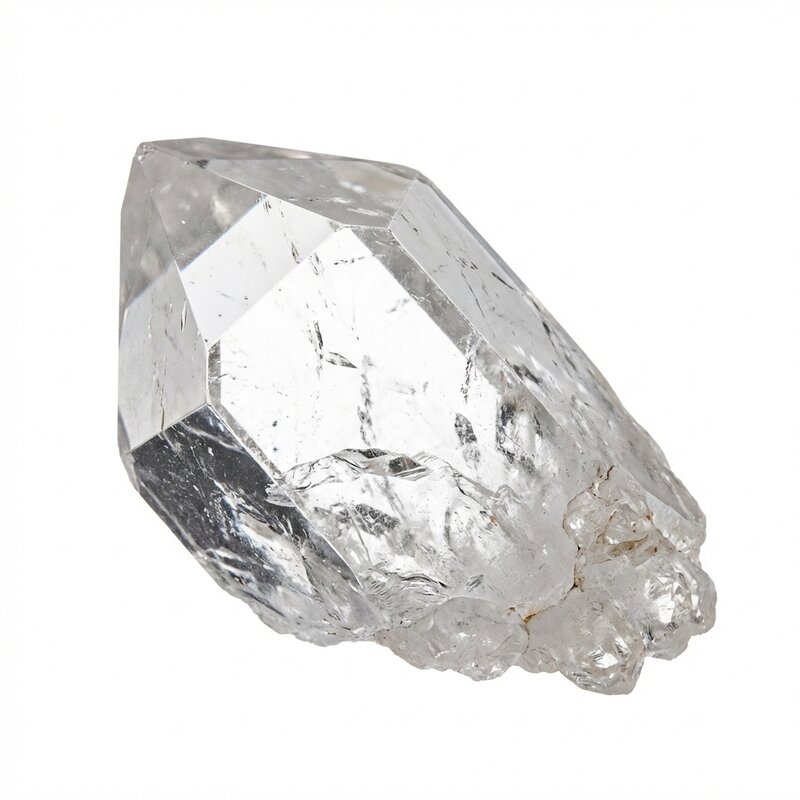
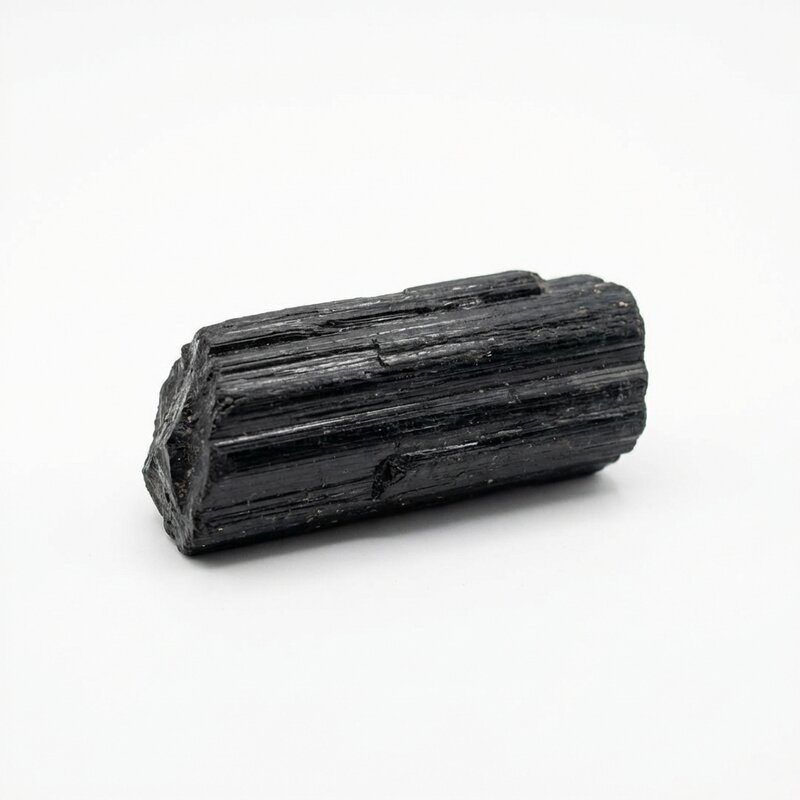
For combinations, garnet sits well with carnelian for motivation, with rose quartz for love that is both tender and passionate, and with black tourmaline for grounding and protection. As January’s birthstone, it is the obvious choice for anyone born in the first month of the year; see our guide to birthstones by month.
Garnet as a gift
Garnet has one of the richest gifting traditions of any stone. It is the January birthstone and the traditional gem for a second wedding anniversary, and its long association with loyalty and reunion makes it a meaningful present for a partner, a close friend, or a family member leaving to study or work overseas.
When choosing, look for a clear, saturated colour; the finest red garnets glow deep red rather than looking brownish or almost black. In a strand of beads, a little variation in tone from stone to stone is natural. Because red is the colour of good fortune in Chinese tradition, garnet is also a thoughtful Chinese New Year or wedding gift. More ideas are in our guide to meaningful crystal gifts in Singapore.
Caring for garnet
Garnet ranges from 6.5 to 7.5 on the Mohs scale, so it handles everyday wear well, though it can chip if knocked against something hard. Its colour is stable in light, and because it is rarely treated there are no coatings or fillers to protect.
- Clean simply. Warm water, a drop of mild soap and a soft cloth are all garnet needs; for strung pieces, wipe rather than soak so the thread stays sound.
- Avoid sudden heat. Rapid temperature changes can stress any gemstone, so keep garnet away from hot surfaces.
- Store with care. Keep it apart from harder gems such as sapphire and diamond, which can scratch it, and from softer stones it could scratch.
If you like to cleanse your crystals, moonlight or a clear quartz cluster suits garnet well; our guide on how to cleanse crystals covers the main methods.
Crystal meanings are shared from tradition and folklore for reflection and enjoyment; they are not a substitute for medical or professional advice.