
What is charoite?
Charoite is a rare purple silicate mineral found in only one place on earth: the Murun massif in eastern Siberia, near the Chara River from which it takes its name. It was formally described as a new mineral only in 1978, which makes it one of the most recent additions to the crystal world. In crystal tradition, charoite meaning is tied to transformation — fitting, for a stone the wider world has known for just a few decades.
Its beauty lies in its movement. Charoite forms in fibrous masses, so polished pieces show swirling, silky bands of lilac, lavender and deep violet. Many pieces also carry flecks of other minerals, such as black aegirine and orange tinaksite, which add to the marbled effect. Its Chinese name, 紫龙晶 (zǐ lóng jīng), means “purple dragon crystal”, a lovely description of those coiling patterns.
Charoite meaning
In crystal tradition, charoite is considered a stone of deep emotional support, especially for those who are afraid of change. It is said to help release old fears, turn resistance into acceptance and give you the courage to step into the next chapter — a new job, a move overseas, the close of one season of life and the start of another.
Charoite is also a traditional bedside stone. It is believed to encourage calmer, more peaceful sleep, and is kept near the bed by people prone to nightmares or unsettling dreams. Linked with the crown and third eye chakras, it is associated with intuition and spiritual growth, and in crystal lore it is said to help you see a difficult situation from a wider, more compassionate perspective. As with any crystal, these are beliefs to explore, not promises; persistent sleep trouble deserves a doctor’s attention.
How to wear charoite
Charoite is traditionally worn as a pendant or placed near the bed. A pendant keeps it close to the heart through the day, while a polished stone or a small dish of tumbled pieces on the bedside table suits its role as a night-time stone. If you prefer a charoite bracelet, the left wrist — the receiving side in crystal practice — is the usual choice.
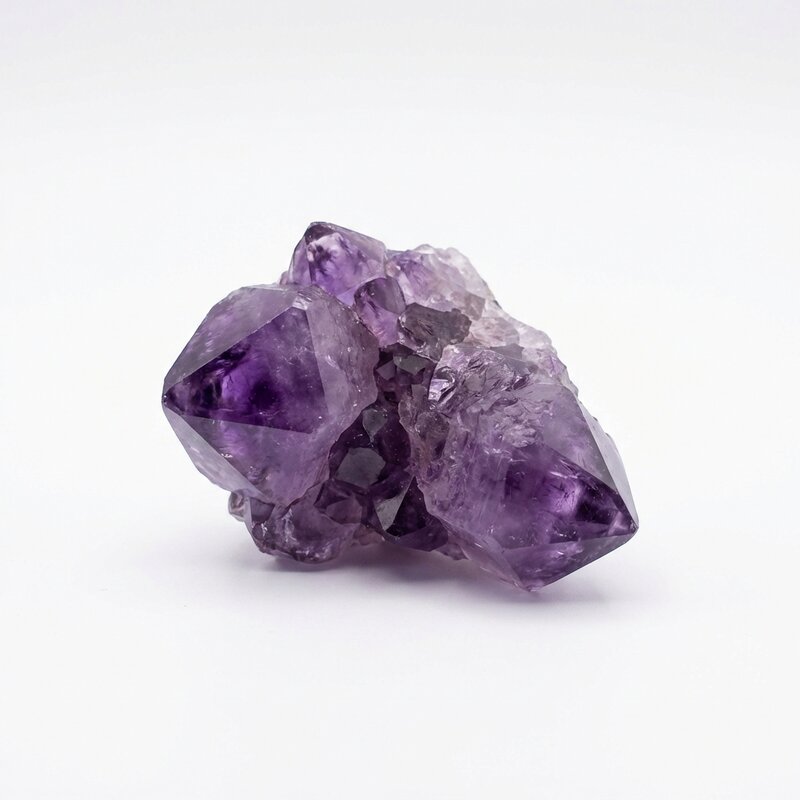
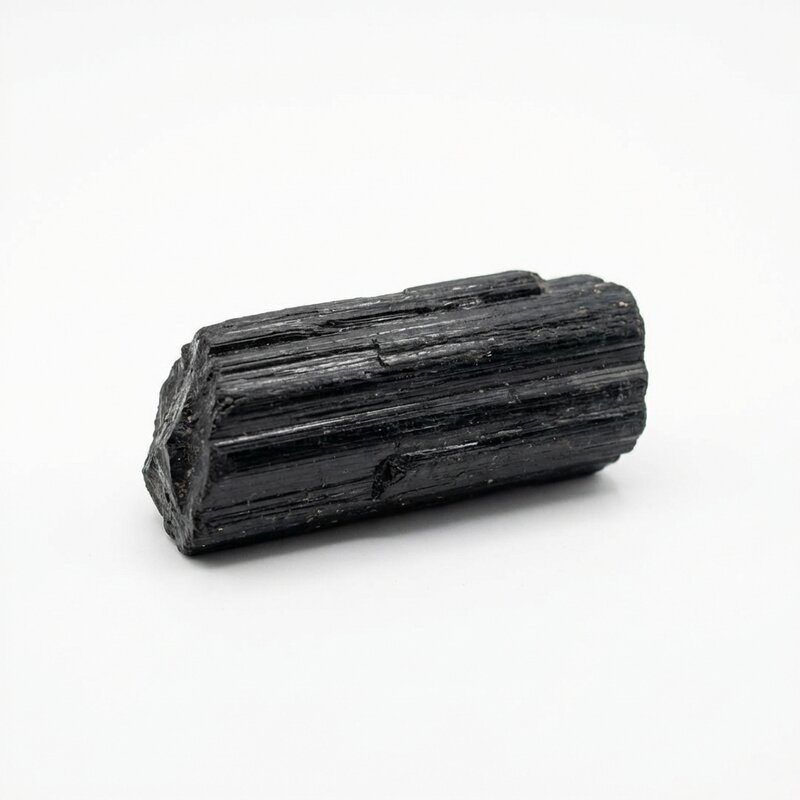
Charoite combines well with other calming, intuitive stones. With lepidolite, its companion among our sleep and calm stones, it forms a gentle pairing for rest and change; with amethyst it supports a quiet mind; and with black tourmaline it gains a grounding, protective counterweight to its spiritual energy. Many people wear a charoite pendant through a big life transition and set it beside the bed at night, so it stays close around the clock.
Choosing charoite
Because charoite comes from a single region, fine material is not common. The most admired pieces have a rich, saturated purple with clear, flowing swirls and a silky lustre; paler lilac stones, and pieces with more black or orange flecks, are more common and have a charm of their own.
When buying, look for natural variation from bead to bead — real charoite is rarely uniform — and a smooth, well-polished surface. Very cheap, flat-coloured purple beads sold as charoite deserve a closer look, and a trustworthy seller will tell you plainly what you are buying. As a gift, charoite is thoughtful for someone facing a big change, such as a graduate moving abroad or a friend starting over; see our guide to meaningful crystal gifts.
Caring for charoite
At 5 to 6 on the Mohs scale, charoite is softer than quartz and can scratch or lose its polish with rough wear. A pendant is the easiest way to enjoy it every day; bracelets need a little more care.
- Clean gently. Wipe with a soft, damp cloth and dry it at once; avoid soaking, salt and chemical cleaners.
- Avoid knocks. Take it off for sport, housework and the gym, and store it apart from harder stones.
- Put it on last. Apply lotion and perfume before your jewellery, so they do not dull the polish.
In Singapore’s humidity, bracelet elastic also benefits from being taken off before swimming or showering and restrung when it slackens. For cleansing, gentle methods such as moonlight, sound or a clear quartz cluster suit charoite; see our guide on how to cleanse crystals.
Crystal meanings are shared from tradition and folklore for reflection and enjoyment; they are not a substitute for medical or professional advice.