
What is blue apatite?
Blue apatite is a vivid blue form of apatite, a calcium phosphate mineral, and in crystal tradition it is a stone of learning, clarity and future goals. Apatite is the mineral that defines 5 on the Mohs hardness scale. It occurs in many colours, from yellow and green to violet, but the blue stones used in crystal jewellery, many of them from Madagascar, are the most popular: a saturated teal to ocean blue, sometimes with a soft, silky sheen.
Its name comes from the Greek apatē, “deceit”, because apatite was so easily mistaken for other minerals such as beryl and tourmaline. It is also important in quite practical ways: apatite is the main natural source of the phosphate used in fertilisers. In Chinese it is 磷灰石 (lín huī shí), a name that begins with the character for phosphorus, after its phosphate content.
Blue apatite meaning
In crystal lore, blue apatite is a stone of manifestation attuned to the future. It is traditionally believed to clear confusion, stimulate the intellect and encourage you to expand your knowledge and seek the truth. That makes it a favourite for students, researchers and anyone learning something new, and for people setting goals who want to see the path ahead more clearly.
Its manifestation side is about direction and motivation: turning an idea into a plan and keeping sight of where you are heading. Linked with the throat and third eye chakras, it is also associated with insight and with expressing what you have learned. As with any crystal, it is a companion to your own effort, not a shortcut around it.
How to wear blue apatite
Wear blue apatite on your left hand. In crystal practice the left side is the receiving side, so a blue apatite bracelet on the left wrist is said to help you take in its clarity and forward-looking energy. It suits study days, the start of a new course or job, and seasons of planning and goal-setting.
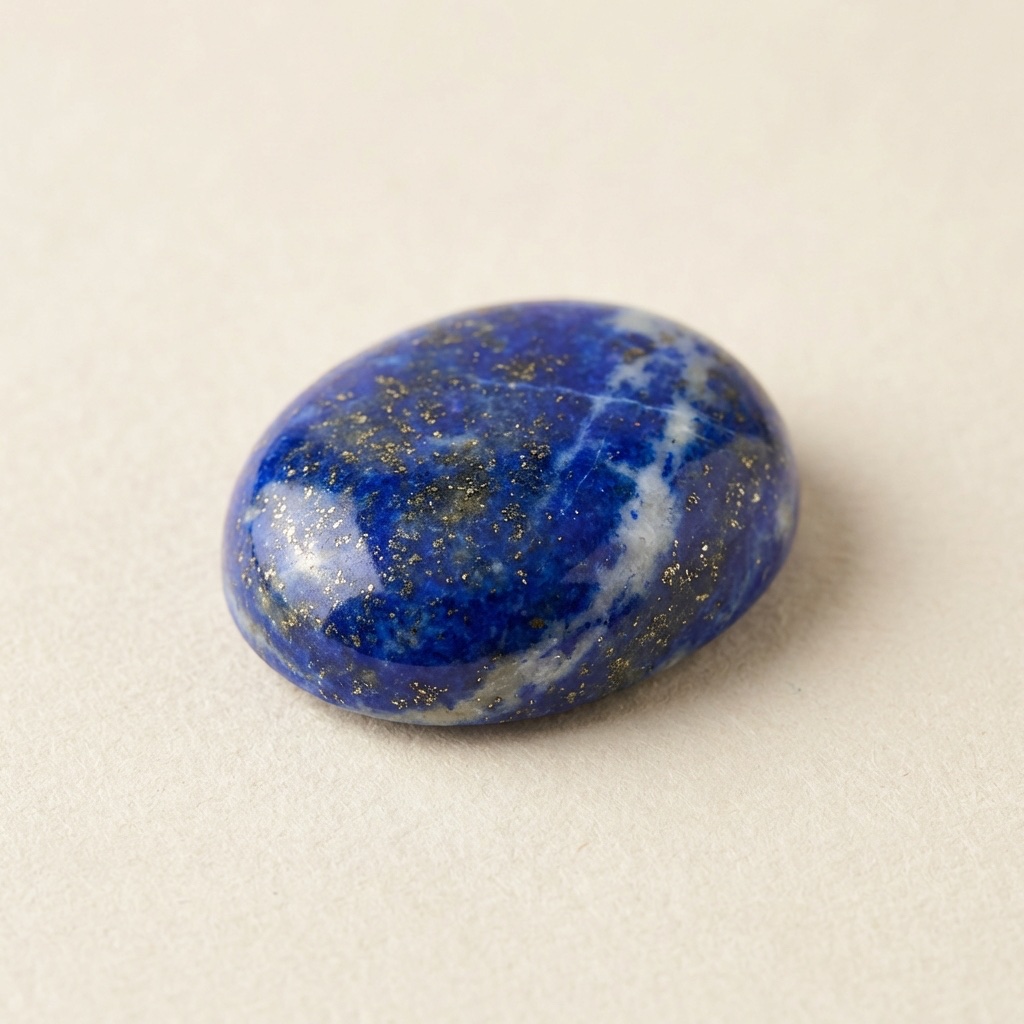
Its vivid colour pairs well with sodalite for clear expression, fluorite for concentration and clear quartz, which crystal lore says amplifies the stones around it. For a strand centred on wisdom, try it with lapis lazuli. Because apatite is fairly soft, take your bracelet off for anything that involves knocks. Our guide to which wrist to wear a crystal bracelet on explains the left-and-right tradition.
Choosing blue apatite
Bead-grade blue apatite is usually opaque to translucent, with natural variation from bright teal to deep blue and the occasional darker speck or fine line. That variation is a good sign of natural stone. The clearest, most transparent blue apatite is faceted as a gem, but it is rarely used in bracelets because it is soft.
Look for an even, saturated colour you like and a smooth, glossy polish. Very uniform, electric blue beads at a low price may be dyed or imitation stone, so it is worth asking. A blue apatite bracelet makes a thoughtful gift for a student or for someone starting a new chapter; see our guide to meaningful crystal gifts for more ideas.
Caring for blue apatite
At 5 on the Mohs scale, blue apatite is softer than quartz and can scratch, chip or lose its polish with rough wear. It is also sensitive to acids and to heat.
- Avoid knocks. Take it off for the gym, sport and housework, and store it in a soft pouch away from harder stones.
- Keep chemicals away. Put on perfume, lotion and sunscreen first, and keep household cleaners and acidic juices off the beads.
- Wipe, do not soak. Clean with a soft, damp cloth and dry it at once; avoid hot water, steam and ultrasonic cleaners.
- Mind the elastic. In Singapore’s humidity, remove bracelets before swimming or showering, and restring when the elastic loosens.
For cleansing, gentle dry methods such as moonlight or incense smoke suit it best. Our cleansing guide explains how.
Crystal meanings are shared from tradition and folklore for reflection and enjoyment; they are not a substitute for medical or professional advice.