
What is chrysocolla?
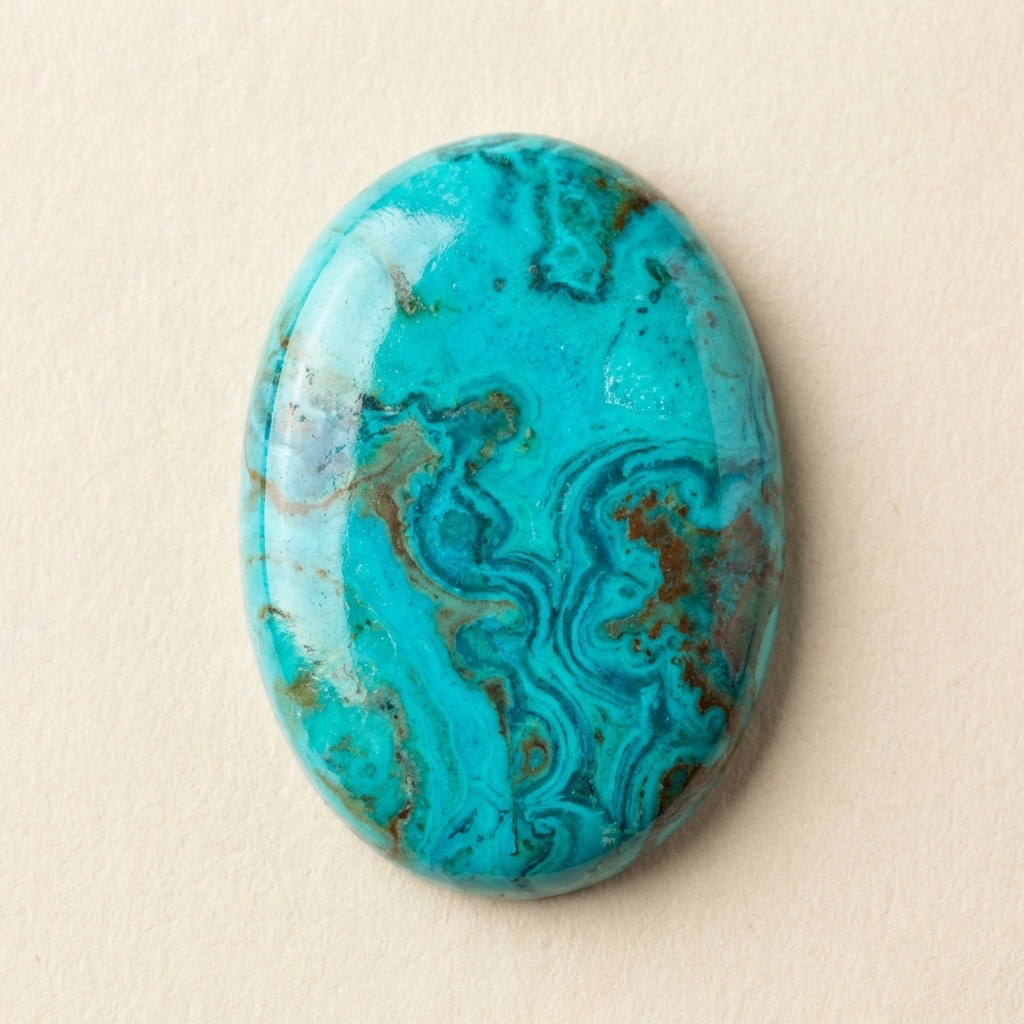
Chrysocolla is a blue-green copper mineral, and in crystal lore it is the stone of the wise woman and the teacher, a stone of gentle, compassionate communication. Chemically it is a hydrated copper silicate. It forms near the surface of copper deposits, where water has altered the copper ores, and its colours run from sky blue through turquoise to deep sea green, often veined with brown or black.
Chrysocolla frequently grows alongside other copper minerals such as malachite, azurite and turquoise, and the mixtures can be very beautiful. Well-known sources include Peru, Chile, Arizona in the United States and the Democratic Republic of the Congo. Its name comes from the Greek for “gold glue”, because similar-looking copper minerals were once used in soldering gold. In Chinese it is 硅孔雀石, literally “silica malachite”.
Chrysocolla meaning
In crystal tradition, chrysocolla is the stone of the “wise woman” or teacher. It is associated with sharing knowledge generously, speaking your truth with compassion, and finding words that are honest without being harsh. That makes it a favourite for teachers, mentors, carers, coaches and parents, anyone whose work is to guide others, and for anyone learning to speak up more gently and more confidently.
Its colours tie it to both the throat and the heart chakras, so crystal practice sees it as a bridge between what you feel and what you say. It is also traditionally considered a calming stone, linked with patience and quiet strength. Some people keep it close during periods of change, as a reminder to lead with kindness rather than force, and to trust that what they have learned is worth passing on.
How to wear chrysocolla
Wear chrysocolla as a necklace. A pendant or short strand at the base of the throat keeps the stone near the throat chakra, which in crystal practice is the traditional placement for a communication stone. A necklace is also the kindest setting for a soft stone: it is far less exposed to knocks than a bracelet on a busy wrist.
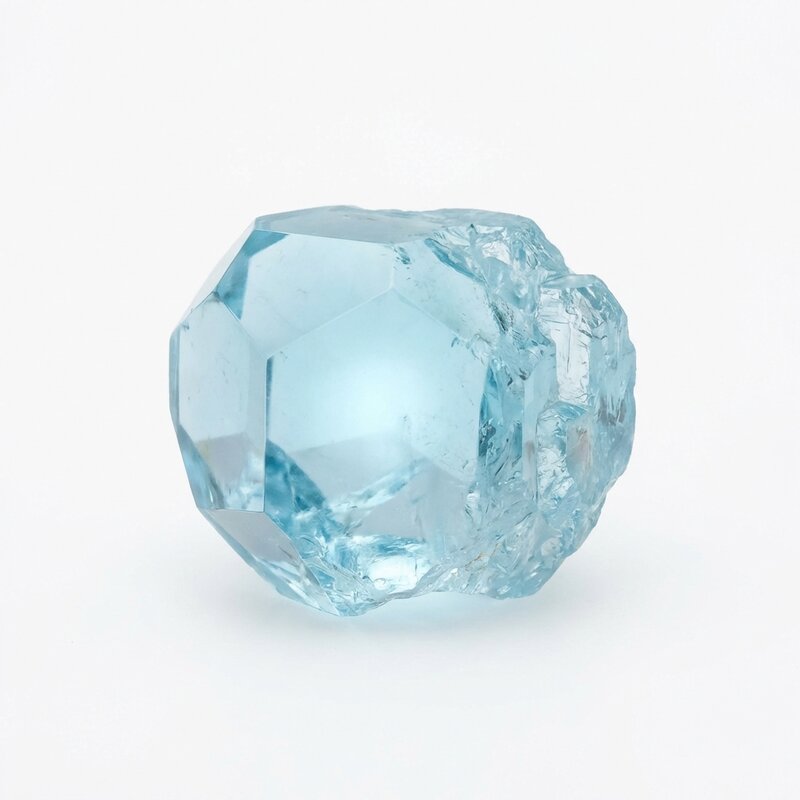
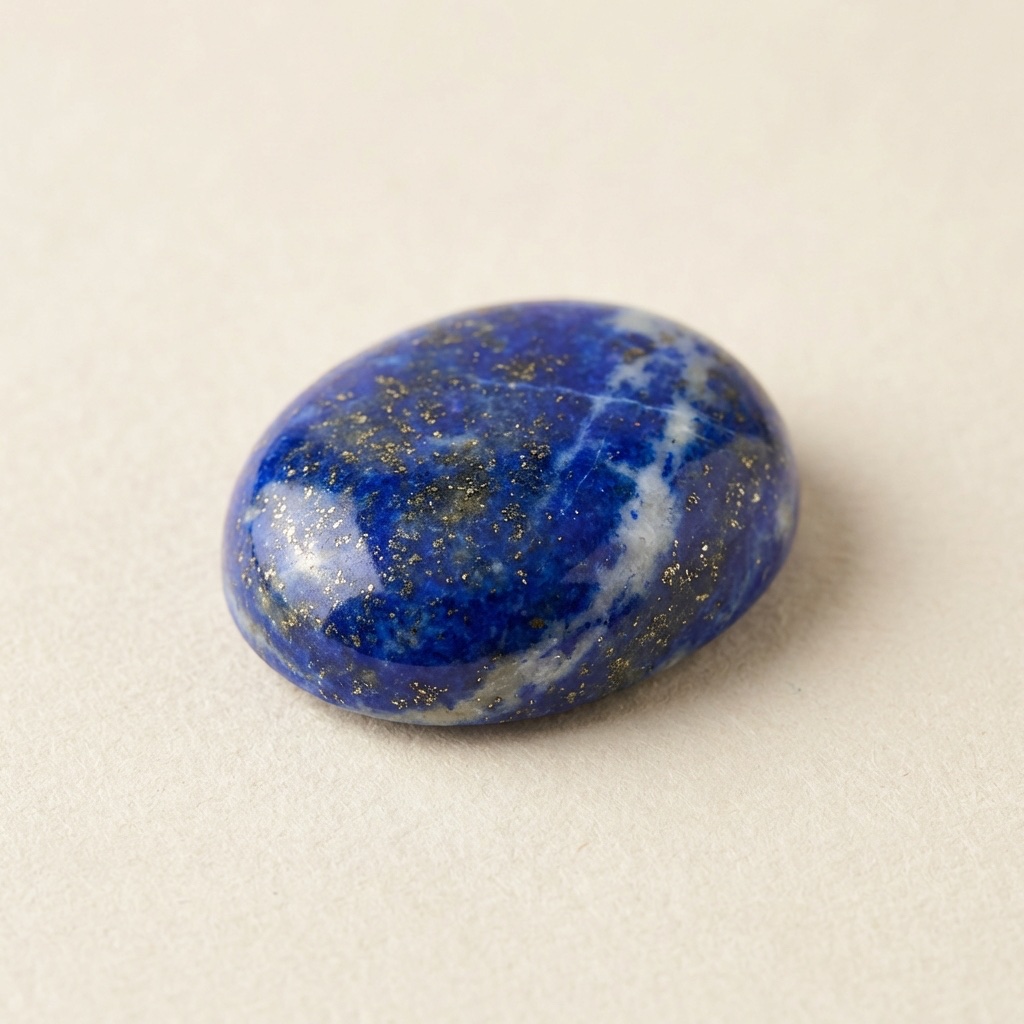
Chrysocolla pairs beautifully with aquamarine for calm communication and with lapis lazuli for confident self-expression. For work that asks a great deal of your patience, some people combine it with amazonite. Its sea-green tones look lovely against 925 sterling silver. Our guide to crystal necklaces covers styles worn close to the throat.
Choosing chrysocolla
Pure chrysocolla is very soft, only 2 to 4 on the Mohs scale, and often porous, so most chrysocolla used in beads and cabochons is stabilised: impregnated with a clear resin that fills the pores and makes the stone durable enough to wear. This is standard practice and nothing to be wary of, but a good seller should tell you about it.
The rarest and most prized form is chrysocolla chalcedony, sometimes called gem silica, in which the copper colour is held inside hard, translucent chalcedony. It is much tougher, with a glowing, translucent blue. You will also find chrysocolla mixed with malachite, whose darker green bands add contrast. Dyed howlite and other stones are sometimes sold as chrysocolla, so a very uniform colour at a low price deserves a question.
Caring for chrysocolla
Because chrysocolla is soft and porous, it needs more care than quartz, even when stabilised.
- Keep it dry. Avoid soaking it, salt water, and wearing it in the shower, pool or sea; water can dull untreated stone.
- Avoid chemicals and heat. Put on perfume, lotion and sunscreen first, keep it away from household cleaners, and never use ultrasonic or steam cleaners. Strong heat can dry out and crack it.
- Wipe and store softly. Clean with a soft, dry or barely damp cloth and keep it in its own pouch, away from harder stones that could scratch it.
In Singapore’s humidity, let a necklace air-dry after a warm day before you put it away. For cleansing, choose dry methods such as moonlight, incense smoke or a rest on a clear quartz cluster; our cleansing guide explains how.
Crystal meanings are shared from tradition and folklore for reflection and enjoyment; they are not a substitute for medical or professional advice.